It's right to take precautions; the coronavirus is not to be trifled with. Even without a vaccine, there's no need to panic. But we do so anyway, says DW's Jens Thurau after covering the outbreak.
The taxi driver who drives me from our editorial office to the Robert Koch Institute in Berlin has her own view on the number one topic in Germany. She asks: "What happens if the newspapers write: 'Don't be afraid of the pink elephant! Then people will say: 'Oh God, we have pink elephants here?'"
That is an accurate description of what Germany is currently experiencing with the new virus from China. Business trips are being canceled, including domestic ones. Bottles of disinfectant are suddenly mounted on office walls.
People want to be tested even if they show no or only minor symptoms. Trade fairs are being canceled, party conferences are on the brink. And yet every morning the train is tortuously full as usual. And why wouldn't it be? Should we really follow the advice of scientists and go into closed quarantine?
Read more: Coronavirus, cold, or flu symptoms? When you should be worried
Do we have to stockpile now?
No we don't. Although, the scientists are also right, strictly speaking: If everyone would sit still where they are for two weeks the virus would hardly stand a chance. But unlike in Italy, for example, the epidemic in Germany is, as the experts tell us, still in the "containment" phase. In other words, infected persons are isolated and treated, contact persons are tracked down. A kindergarten or a school might be closed down, but not the whole country.
So do we have to do our "hamster-shopping" now, as some have already done here and there? When a whole society is gripped by fear, all good manners fall by the wayside: Unfortunately, one must say, especially German society. So people are hoarding protective face masks, even though, the experts tell us, they are of no use, but are urgently needed in hospitals and doctors' surgeries. Not only, it is obviously criminal to steal masks and sell them at a marked-up price on the internet. But it only works because people easily fall into hysteria and create the illegal market in the first place.
At press conferences with Health Minister Jens Spahn or the experts from the Robert Koch Institute, Germany's main public health authority, questions are asked that actually only prove how stupid journalists can be. Why is there still no vaccine, one asked, with accusatory undertone? The virologist Christian Drosten, now known throughout Germany and a regular guest on television, who is feverishly researching a corona vaccine with his international colleagues, is forced to make an effort to control himself with difficulty and repeat the same lines: The virus is new, many things are still unknown, we are working on it, but there is no faster way. His expression shows that he thinks the press conference is wasting his time.
So we grope our way through the epidemic. The ITB international tourism fair in Berlin is canceled, the Hannover industrial trade fair postponed. But the Bundesliga is still playing in full stadiums. The president of the Robert Koch Institute, Lothar Wieler, isn't really getting through with his message that most new infections are now happening within Germany, so people are hardly bringing the virus from abroad anymore. This is good news because it means that there are probably fewer contact people to find and the experts can concentrate on fighting the virus at home.
A collective fear
In essence, then, we are dealing with a collective fear event. In our prosperous, technically controlled and automated world, we are no longer used to things being unpredictable. And so therefore we like to assume the worst.
What we have been familiar with for a long time are the flu waves during the cold season. Just for comparison, as of Friday, March 5: Since the beginning of the year, over 100,000 people in Germany have fallen ill with flu and around 200 have also died of it. Among them are many old, already sick and weakened people. But this number does not make the headlines.
It is like flying: Experts and statisticians never tire of pointing out that the airplane is the safest of all means of transportation. The risk of dying in road traffic is much higher. But the images of horrible plane crashes just keep on etching themselves onto our brains. The many thousands of successful take-offs and landings, every day, just happen, and aren't worth a headline.
'Chill out, Germany!'
On the whole, my impression is that doctors, nurses and scientists in Germany are still managing the coronavirus well. Certainly, the health system has weaknesses, the health authorities in the municipalities are overstretched and short of staff. And globalization has its insane sides, which has become apparent by how many drugs are produced in China that we are now short of.
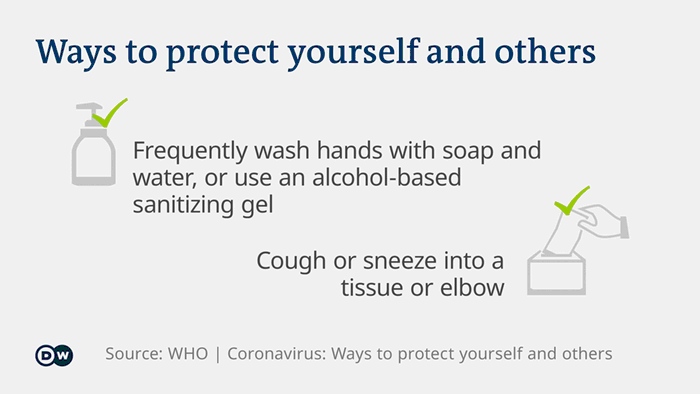
When I get really upset about little things at home, my kids like to tell me: "Chill out, Dad!" Which really annoys me. But now I can say it too: "Chill out, Germany!" Let's take the virus seriously, listen to the experts, and keep our nerve. Don't forget to wash your hands, refrain from shaking hands in greeting, and instead smile nicely. And let's not assume the worst.
-
Cultural events affected by the coronavirus
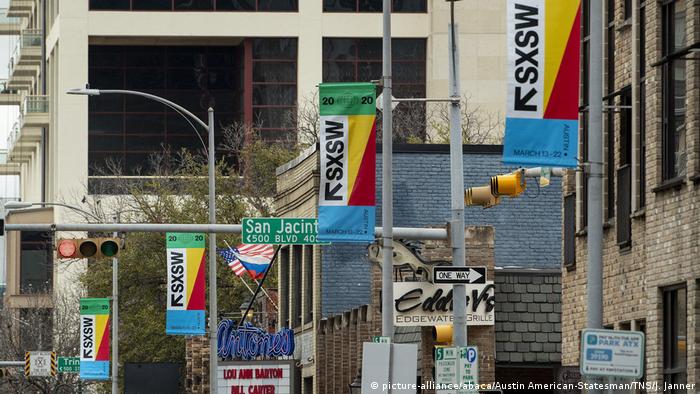
South by Southwest (SXSW)
This annual music, film and tech festival held in Austin, Texas, usually attracts more than 400,000 visitors. But less than a week before its March 12, 2020 start date, organizers decided to cancel in a bid to prevent the spreading of the coronavirus. There's a silver lining though: it may only be postponed and not cancelled altogether.
-
Cultural events affected by the coronavirus
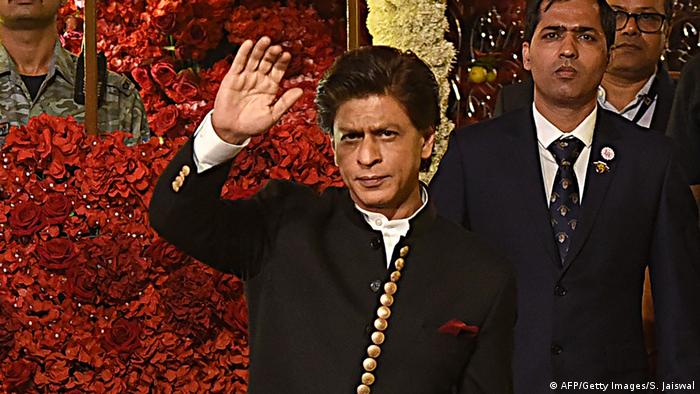
Bollywood 'Oscars'
The International Film Academy has announced that it would be postponing its awards ceremony, also known as Bollywood's Oscars, due to fears over the coronavirus outbreak. According to official numbers, India has been until now relatively unscathed by the epidemic. Actor Shah Rukh Khan (photo) was one the stars expected at the event planned for March 27; a new date has not been decided yet.
-
Cultural events affected by the coronavirus
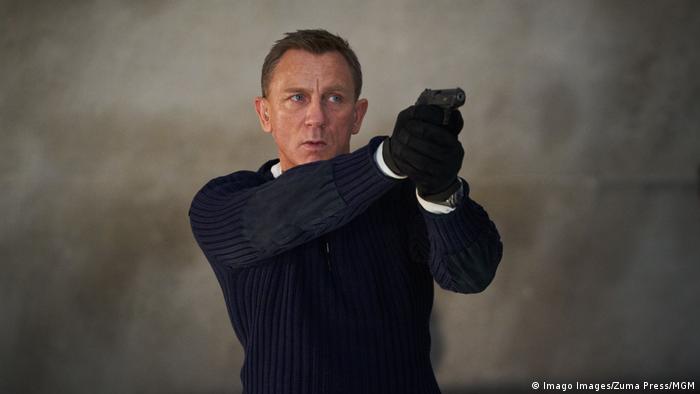
'No Time to Die'
James Bond perhaps has a little more time on his hands than the title of the upcoming film in the franchise suggests: "No Time to Die" producers have decided to push back the release of the movie to November. Daniel Craig's last outing as 007 was initially planned for April. It's the first Hollywood blockbuster to shift its release schedule in reaction to the coronavirus outbreak.
-
Cultural events affected by the coronavirus
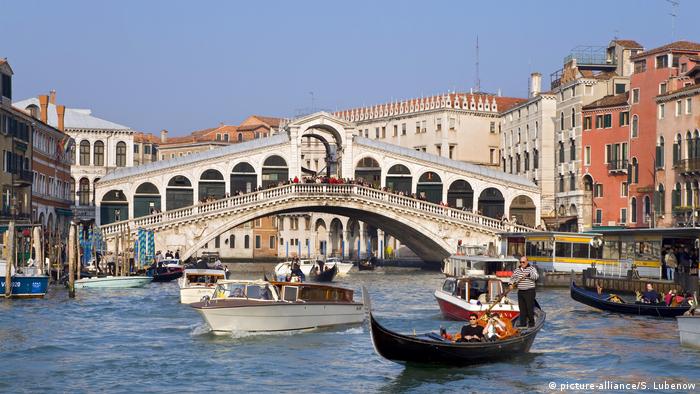
Venice Architecture Biennale
The start of the world's most prestigious architecture biennale has also been delayed. Instead of opening in May, it will run from August 29 to November 29 — three months later than planned. The theme of the event takes on a new meaning amid current developments: "How do we live together?"
-
Cultural events affected by the coronavirus
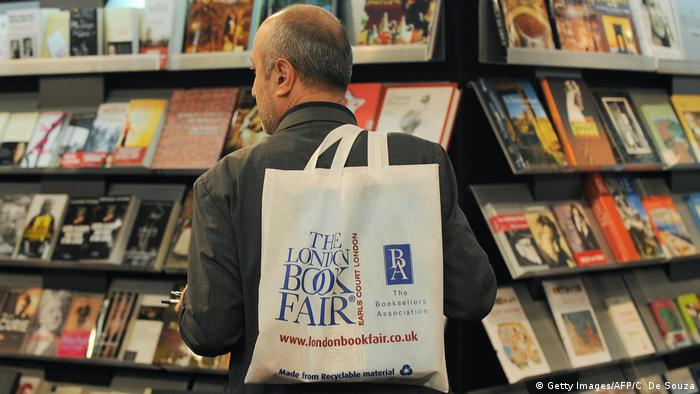
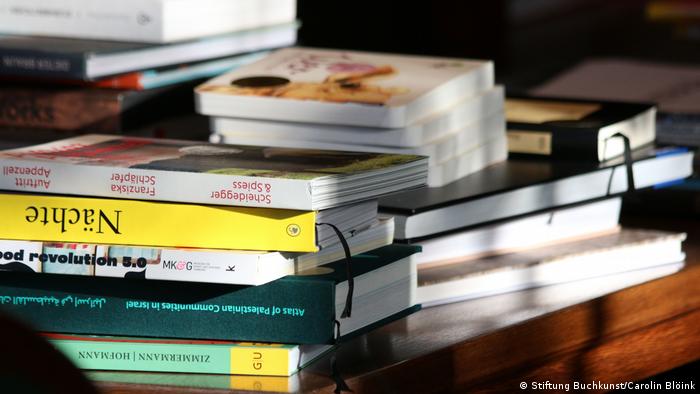
London Book Fair
Due to take place March 10-12, the book fair was cancelled "with reluctance," said organizers, after several major publishers such as HarperCollins and Penguin Random House pulled out of the event to avoid exposing their staff to the virus. The London Book Fair usually draws more than 25,000 authors and book industry insiders.
-
Cultural events affected by the coronavirus
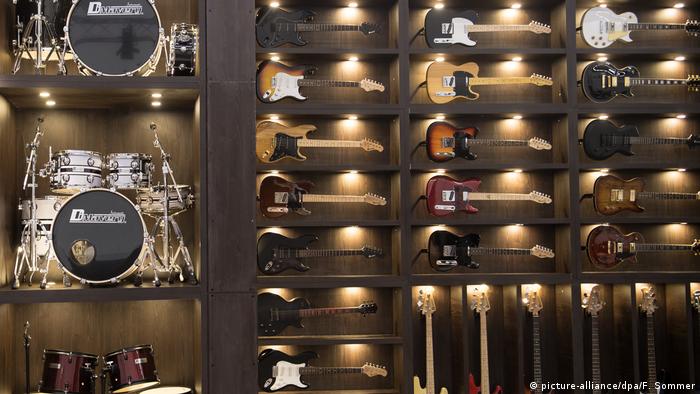
Musikmesse Frankfurt
Europe's biggest trade fair for the music industry also announced that it was postponing the event, which was set to celebrate its 40th anniversary on April 2-4. While it was deemed to be "the only responsible and right decision to take," the cancellation is bound to affect many small businesses in the music industry, said Christian Höppner, secretary general of the German Music Council.
-
Cultural events affected by the coronavirus
Leipzig Book Fair
Change of plans for book fans: The Leipzig Book Fair, scheduled to be held March 12-15, was cancelled due to the spread of the new coronavirus, a spokesperson for the fair announced on Tuesday. The second-largest book fair in Germany expected to draw 2,500 exhibitors from 51 countries.
-
Cultural events affected by the coronavirus
ITB Travel Trade Show Berlin
Preparations for the world's largest travel fair were already in full swing when the organizers cancelled it at the last minute. Due to the ongoing virus threat, participants to the Berlin fair had to prove they had not been to one of the defined risk areas. With 170,000 visitors from all over the world, this proved to be an impossible task and the fair couldn't open on March 4 as planned.
-
Cultural events affected by the coronavirus
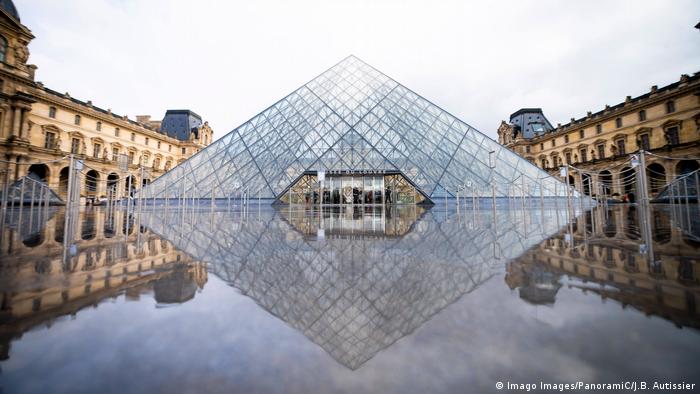
The Louvre
For many tourists, a trip to Paris is incomplete without a visit to the Louvre museum. The historic art museum was closed for three days, after museum staff went on strike on the grounds that keeping it open would be a public health hazard. On Wednesday afternoon, they accepted to resume work after management set up a series of preventive measures.
-
Cultural events affected by the coronavirus
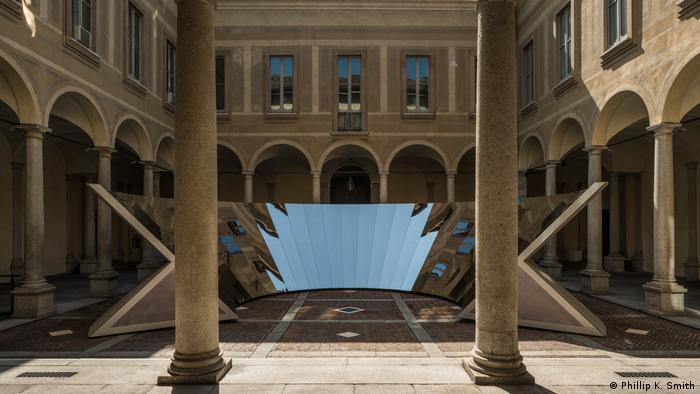
Milan Design Week
Each April, thousands of design professionals, artists and companies visit Milan to check out the latest in furniture and interior design. This year, however, organizers have announced it will be moved to June due to the COVID-19 outbreak. Milan is the capital of the Lombardy region, which has seen the lion's share of Italian coronivirus cases. Some airlines have even suspended their flights.
-
Cultural events affected by the coronavirus
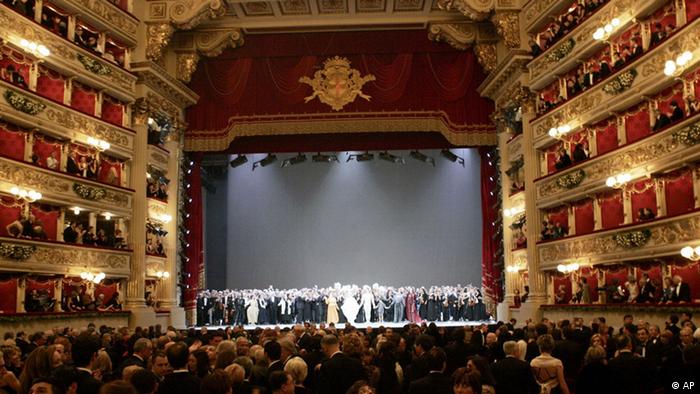
La Scala opera house
There is perhaps no venue more symbolic of Italy's rich operatic tradition than the La Scala opera house in Milan. Now, its seats will remain empty until March 8. Italy's Prime Minister called for the suspension of cultural events and the venue is sticking to the rules. At the time of writing, Italy has more cases of the new coronavirus than any country outside of Asia.
-
Cultural events affected by the coronavirus
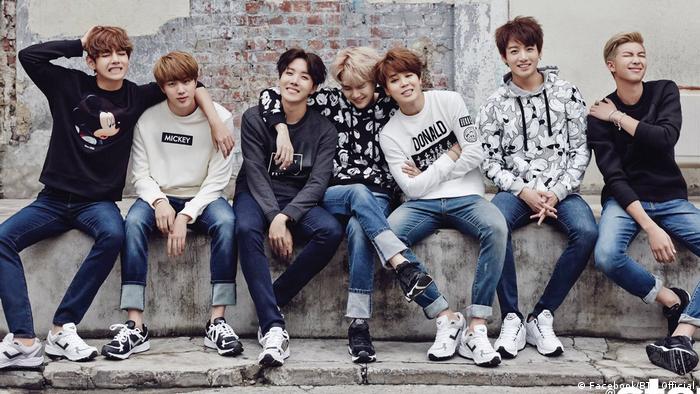
K-Pop concerts
The reigning K-Pop boy band BTS does big business with each concert, but in the wake of the virus in South Korea, the group cancelled four April dates at the Seoul Olympic Stadium, which seats 69,950 people. "It's impossible to predict the scale of the outbreak," said the group's management. On Tuesday, cases in South Korea reached 5,100 with the majority of infections in the city of Daegu.
-
Cultural events affected by the coronavirus
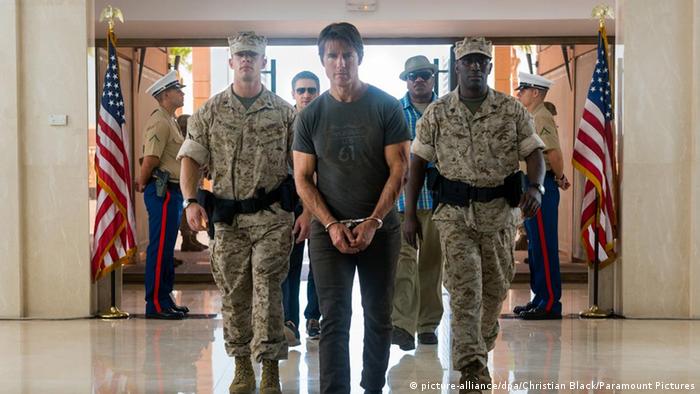
'Mission Impossible'
No, we aren't describing the task of containing the new coronavirus, but rather the new movie starring Tom Cruise which was supposed to have a three-week shoot in Venice. The film has been postponed, movie studio Paramount Pictures said Monday. Venice's cultural events have been hard hit by the outbreak. The final two days of lagoon city's annual Carnival festival were also cancelled.
-
Cultural events affected by the coronavirus
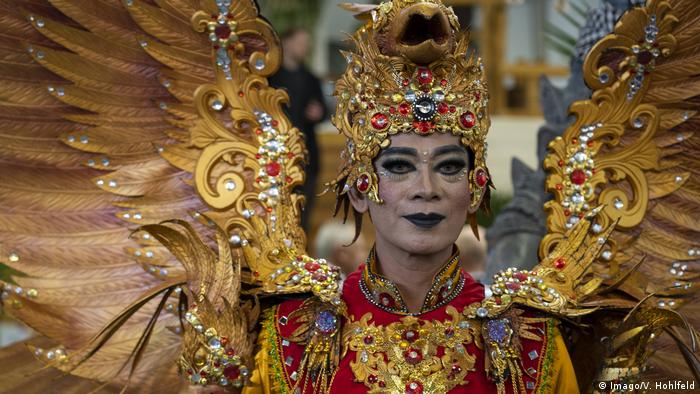
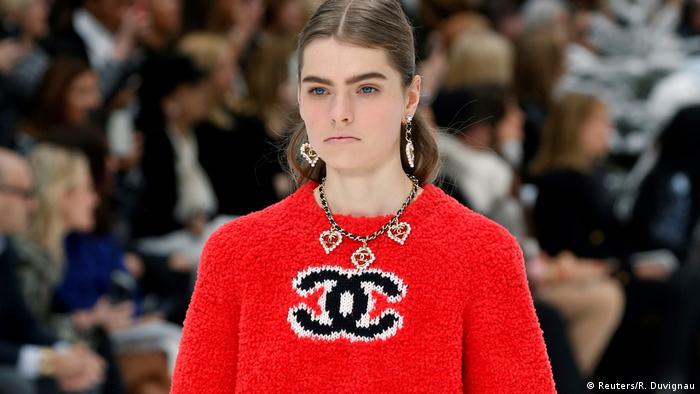
Paris Fashion Week
Paris fashion week, which ended March 3, also took a hit. While attendees avoided cheek kisses during the high-profile event, several designers, including five from China and one from France, did not put on their shows, and many popular events were called off. Chanel had already cancelled a show in China. Rakuten Fashion Week in Tokyo, Japan's largest fashion gathering, was also called off.
-
Cultural events affected by the coronavirus
Concerts in Switzerland
On February 28, the Swiss government imposed a ban on events of more than 1,000 people until March 15, making it the first European country to do so as a preemptive measure to fight against the spread of the illness. As a result, many concerts and events were called off, including concerts by Carlos Santana (pictured) and Alice Cooper at the 15,000-person Hellenstadion in Zürich.
-
Cultural events affected by the coronavirus
The Hamburg Ballet
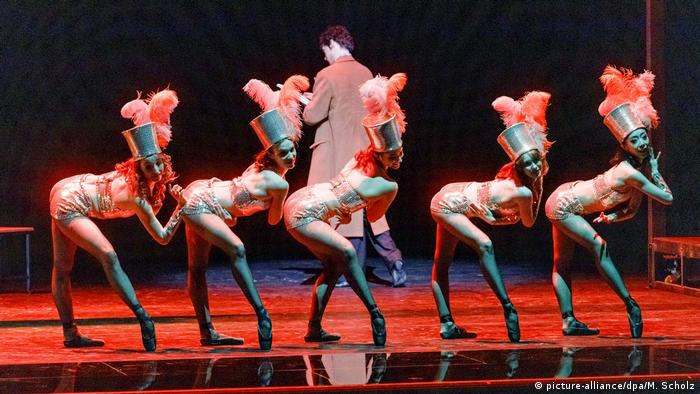
The Hamburg Ballet John Neumeier cancelled guest performances in Macau and Singapore due to the coronavirus outbreak. On the program were "The Lady of the Camellias," which tells the story of a famous Parisian courtesan and "Nijinsky." Whether the tour will take place at another point in time is still in the air. In spring 2021 the Hamburg Ballet plans to tour in Japan.
Author: Sarah Hucal
Every evening, DW's editors send out a selection of the day's hard news and quality feature journalism. You can sign up to receive it directly here.



No comments:
Post a Comment